Submarine Power Cable are wires insulated with XLPE, PE, or EPR and covered with waterproof material, laid underwater on the seabed and in rivers for the transmission of electricity or communications.
ZMS manufactures submarine power cables in diameters ranging from 70 mm to 210 mm in both HVAC and HVDC versions, utilizing state-of-the-art cable design, manufacturing, and installation methods.
Medium voltage submarine cables have passed ISO9001, OHSAS18001, ISO 14001 system certification, and we can issue test reports according to IEC, ICEA, CIGRE and other standards.
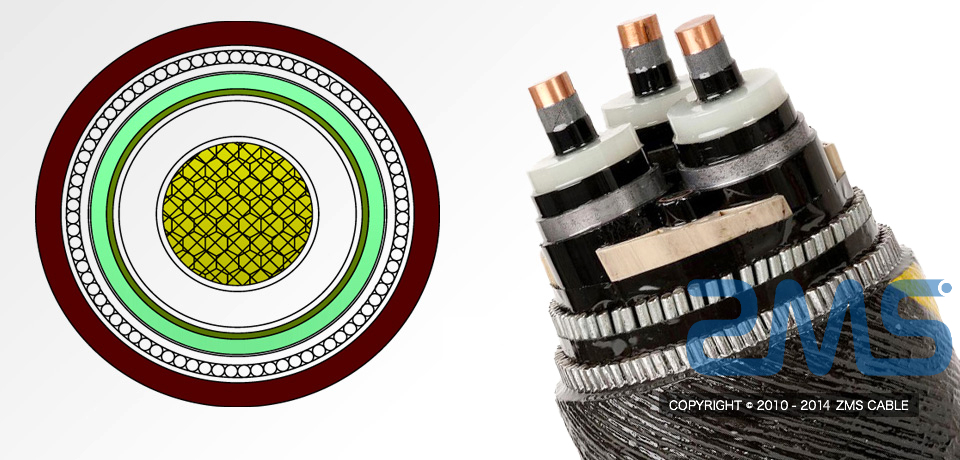
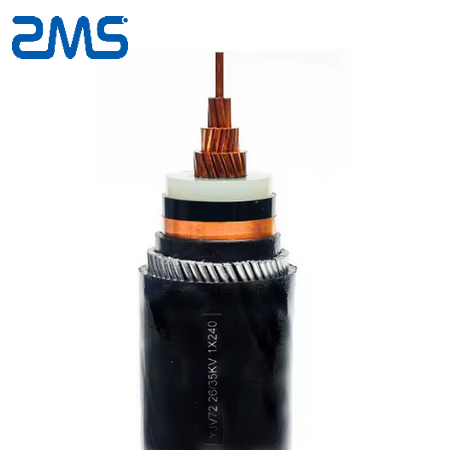
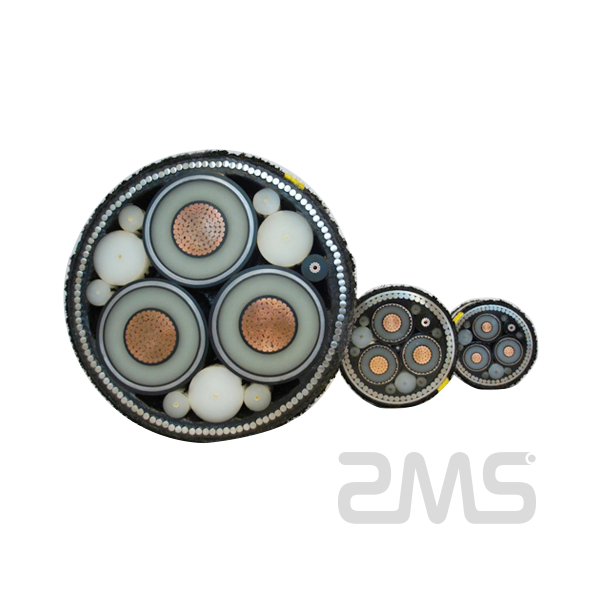
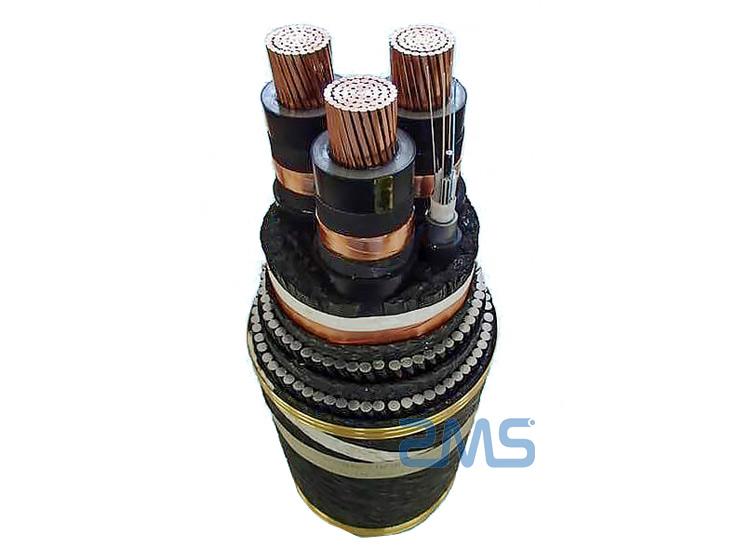
Conductor: Copper wire can be tinned Conductor shield: Extruded layer of semi-conductive material Insulation: XLPE, PE or EPR Insulation shield: extruded layer of semi-conductive material Metal shielding: copper tape Waterproofing layer Semi-conductive waterproof strip Armouring: Seawater resistant alloy galvanized steel wire and bitumen
High-voltage submarine cables are used to transmit power to coastal islands, oil platforms, or across rivers and lakes. The cable design is based on national or international standards. Such as VDE, IEC, etc.
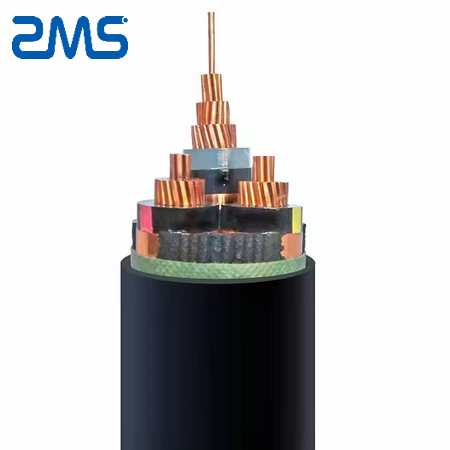
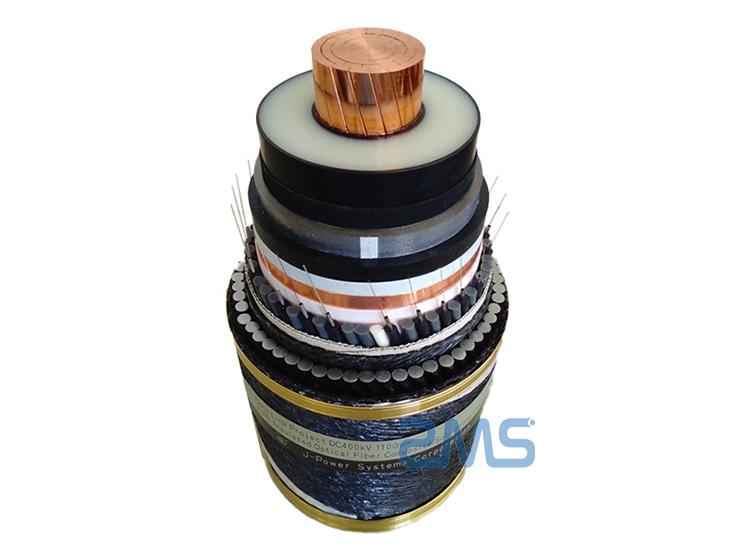
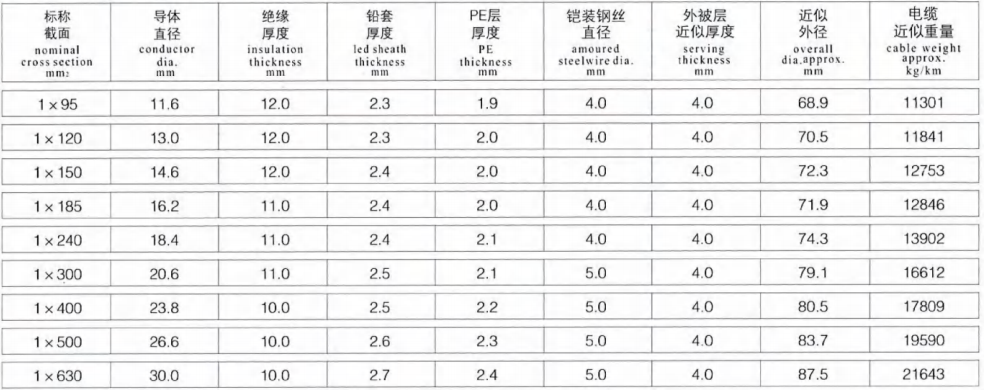
Conductor: Copper single wire, tin galvanized or non-tin galvanized Conductor Shield: Extruded layer of semi-conductive material Insulation: XLPE or EPR Metal shield: Copper tape (lead jacket) Waterproof sheath: composite waterproof layer (copper or aluminum tape, laminated with pe) or lead sheath (extruded lead tape laminated with PE) Number of cores: up to 144 Lap inner layer: mesh fabric and bitumen Armouring Armouring: seawater-resistant alloy galvanized steel wire and bitumen Standards: IEC 60228, IEC 60502, IEC 60840, IEC 62067.
Submarine Cable Voltage
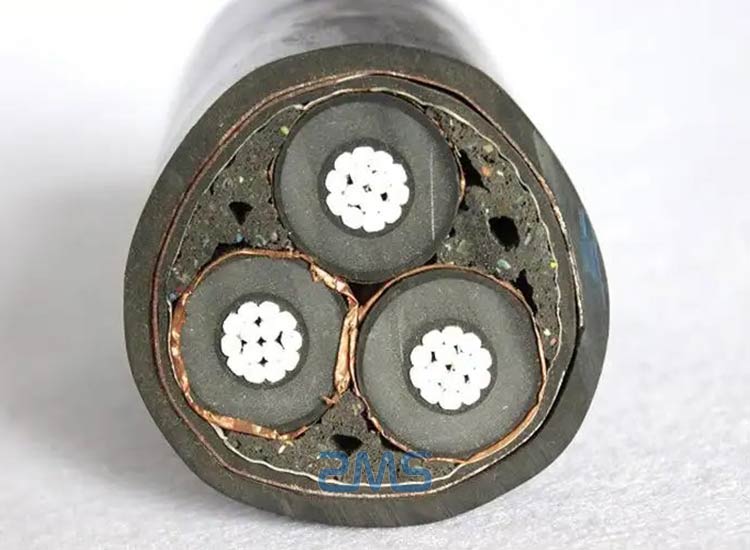
EPR Insulation Submarine Cable 25kV
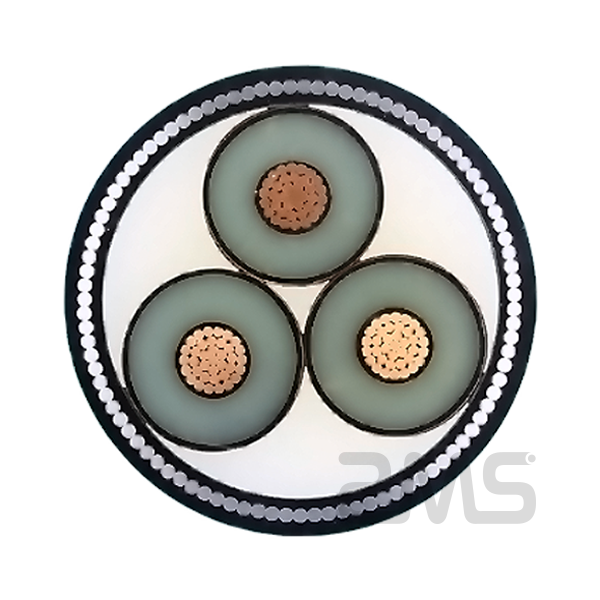
The 3-core 25kV submarine power cable is a highly durable medium-voltage submarine power transmission cable designed specifically for harsh marine environments. It features three corrosion-resistant copper conductors, EPR insulation, a PE sheath, and heavy-duty diving-grade galvanized steel wire armor, giving it resistance to seawater, mud, and oil, ensuring long-term stable operation. It meets CSA FT4, UL MV-90, and other standards, and is RoHS and CE certified. Suitable for various submarine power engineering project solutions, it combines high reliability with rapid delivery capabilities.
Extruded high-voltage submarine cables are manufactured using XLPE insulation and a triple extrusion process, allowing the semiconductive layer and insulation layer to be formed in one piece, resulting in excellent electrical performance and long-term reliability. They feature low dielectric constant, low loss, and high dielectric strength, making them suitable for power transmission projects such as offshore wind power. They can efficiently transmit offshore electricity to the onshore power grid and can also be used to connect wind turbines to offshore platforms within wind farms. Voltage levels typically range from 66kV to 150kV.
ZMS produces submarine power cables in strict accordance with national or international standards, and today, HVDC cable technology is perfect for interconnecting power grids between countries or continents to ensure reliable energy infrastructure and trading.
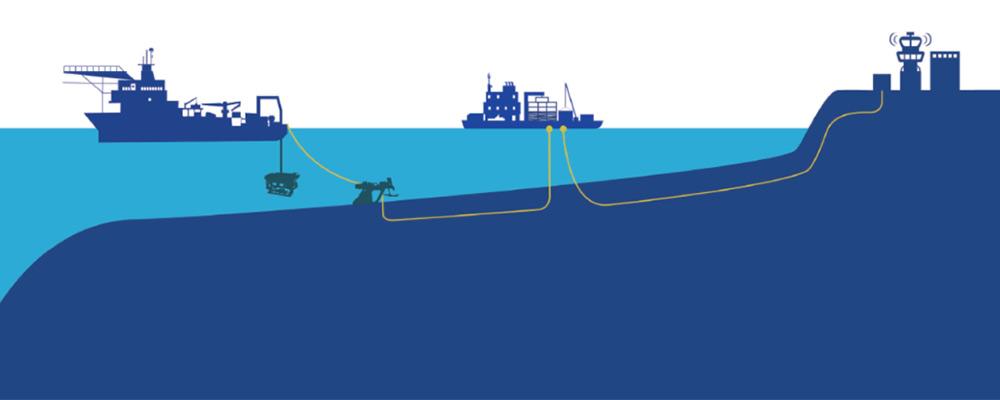
Laying of shallow submarine cables
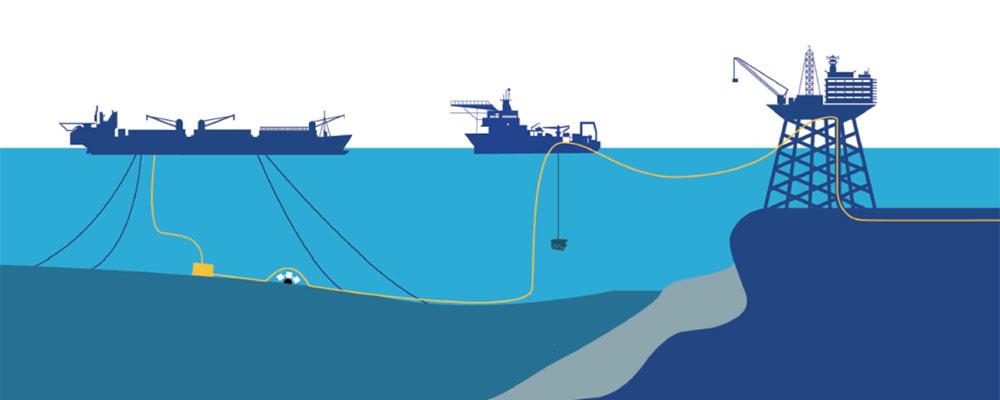
Laying of deep sea submarine cables
Rigorous Waterproof Construction
The longitudinal and transverse waterproofing measures set up during the production of ZMS submarine power cables are a great advantage for you to choose, because when the cables are laid in water and corroded by hydrochloric acid or struck by huge objects, water stains and mist vapor will penetrate along the cracks to the inside of the cables, and waterproofing measures are perfect to avoid this hazard.
We also add a metal waterproof layer, the metal sheath, on top of the metal shielding of the submarine electric cable. In contrast, high-voltage underwater power cables use a metal sheath made of lead, aluminum, and stainless steel. There is also the application of water-absorbent and water-blocking powders, all of which are stringent measures to ensure that no water enters the interior of the cable.
Project Installation Guidance
ZMS has worked on underwater cable projects for more than a decade in countries around the world, including Mongolia, Indonesia, and Thailand. Due to the long length of subsea power cables, there are always technical and methodological problems encountered when laying submarine cables, and ZMS, as a leading submarine power cable manufacturer, is always willing to work with our customers to solve installation and technical problems once the cables are received.
Stable Operation
Submarine power cables are specially engineered for reliable power transmission in offshore and underwater environments. Our high-voltage submarine cables are designed with robust insulation, water-blocking structures, and corrosion-resistant armoring to ensure long-term performance under harsh marine conditions. As experienced submarine power cable manufacturers, we provide complete submarine power cable specifications and support customized designs based on project requirements, including voltage class, conductor type, armoring options, and installation depth. We also offer technical guidance for submarine power cable installation, helping customers achieve safe, stable, and efficient offshore power connections for wind farms, island grids, offshore platforms, and cross-sea transmission projects.
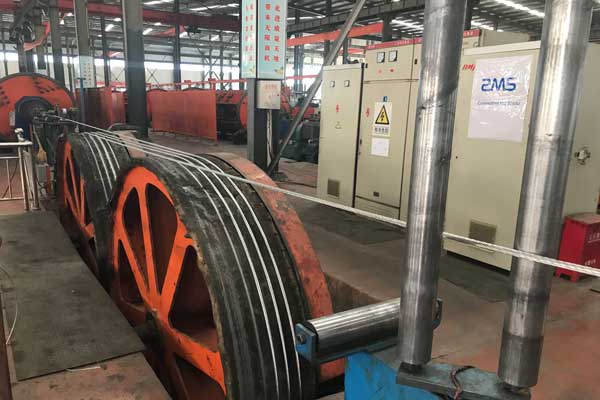
The entire manufacturing process of the submarine power cable is the same as that of the general power cable. The entire manufacturing process of the undersea cable is the same as that of the general power cable. However, there are special requirements for the mechanical strength and corrosion resistance of the sea cable. And the length of the undersea cable is required to be extended as much as possible.
The following is a brief description of the manufacturing process of impregnated paper cables and extruded insulated submarine power cables. Impregnated paper cable is first wrapped with an insulating paper core, followed by vacuum drying, and oil dipping, after completing the conductor core, and then wrapped with lead sheath, which is subject to the process of continuous extrusion.
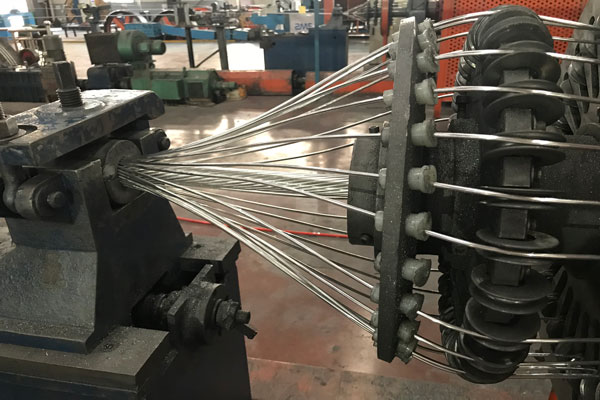
Wire drawing machine
Stranding machine
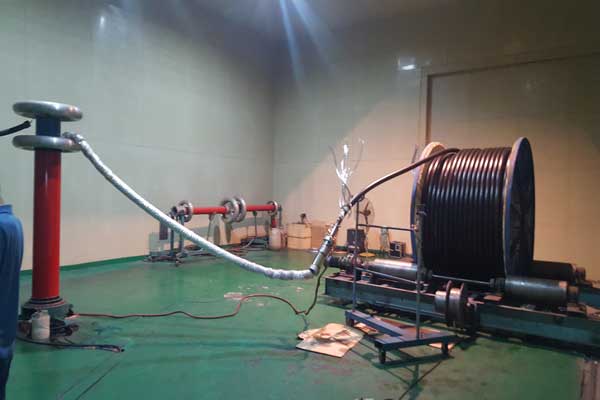
High Pressure Test
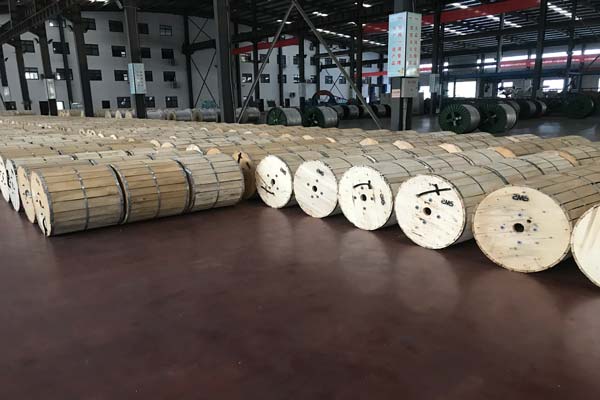
Cable placement in drums
Extrusion of extremely long cable cores is an extremely important step and must be carried out night and day. The conductor core of the oil-filled cable passes through a siphon transport tube from the storage cylinder to the lead press. The tube is filled with degassing oil, which flows in the opposite direction to the conductor core to isolate the contact between the core and the air.
After the core is covered with lead, it is coiled on a rotating platform (if the cable is oil-filled or inflatable, the appropriate amount of metal reinforcement can be added). Then the underwater cable is covered with a polyethylene sheath (extruded polyethylene sheath is also a continuous operation). And then wrapped with two layers of galvanized steel wire armor, covered with oiled hemp impregnation. In the subsequent production process, the lead sheath and metal strip must be grounded through the polyethylene sheath at the appropriate stage.
Most of the production processes for cross-linked polyethylene cables and ethylene-propylene rubber insulated submarine cables are similar to those for paper-insulated lead-sheathed cables, except for the extrusion and vulcanization of the synthetic rubber insulation. But without the use of a lead sheath.
ZMS Company Service
Wide Cable Product Range As a professional cable manufacturer and exporter, ZMS supplies a complete range of power cables, control cables, instrument cables, and conductors for global industrial projects.
International Standards & Custom Production Products are manufactured according to IEC, BS, ASTM, DIN, GB, and other standards, with custom cable design available based on technical requirements.
Professional Technical Support Free pre-sales consultation, product selection guidance, and one-to-one project solution support for different application environments.
Reliable Delivery Solutions Optimized packaging and shipping plans to ensure safe delivery while helping reduce transportation risks and costs.
Export Packaging Protection Wooden drums, cartons, or coils packaging with moisture-proof sealed cable ends and waterproof markings for international transport.