MICC Cable

micc cable banner
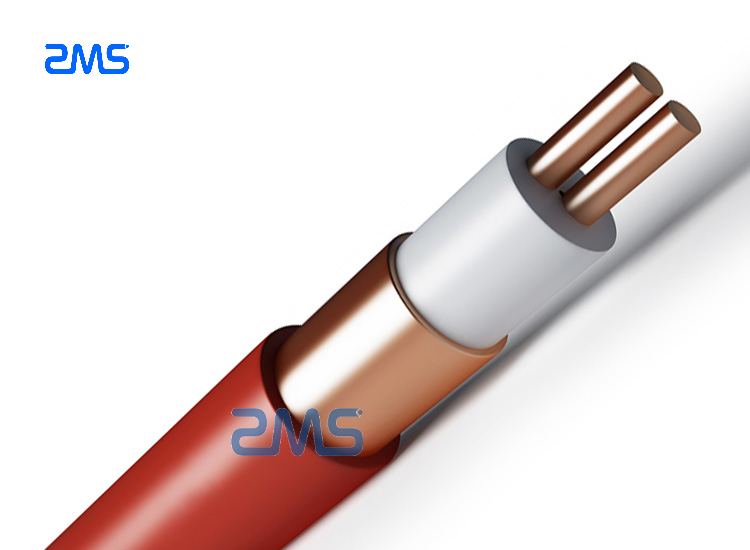
MICC cable (Mineral Insulated Copper Sheathed) is a fire-resistant power cable built for life-safety circuits. It consists of solid copper conductors, compacted magnesium oxide (MgO) insulation, and a seamless copper sheath. Because all materials are inorganic, MICC maintains circuit integrity at temperatures up to 950 °C for 3 hours (BS 6387 CWZ) — far beyond any organic-insulated fire-rated cable.
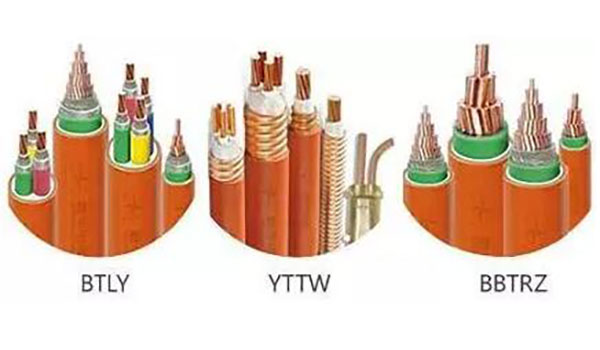
We supply rigid MICC (BTTZ) and flexible MI (BTLY/YTTW) with termination kits, for fire alarm, emergency lighting, and life safety systems in high-rise buildings, tunnels, hospitals, and industrial plants.

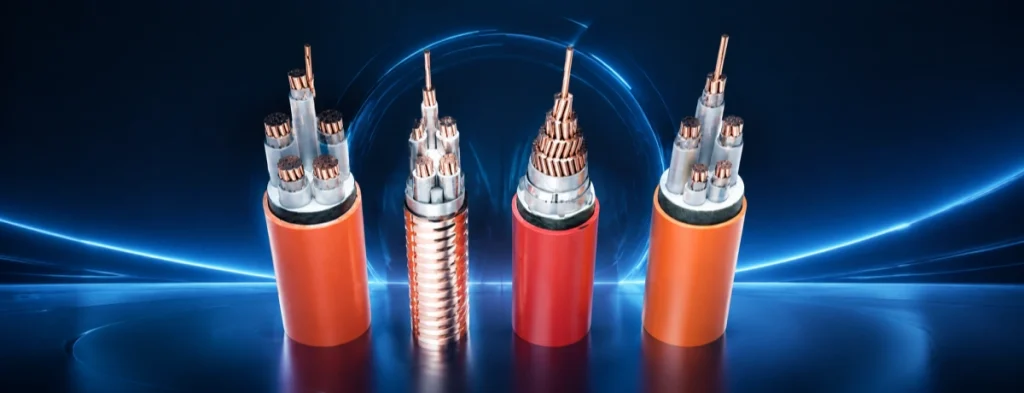
MICC Cable Types

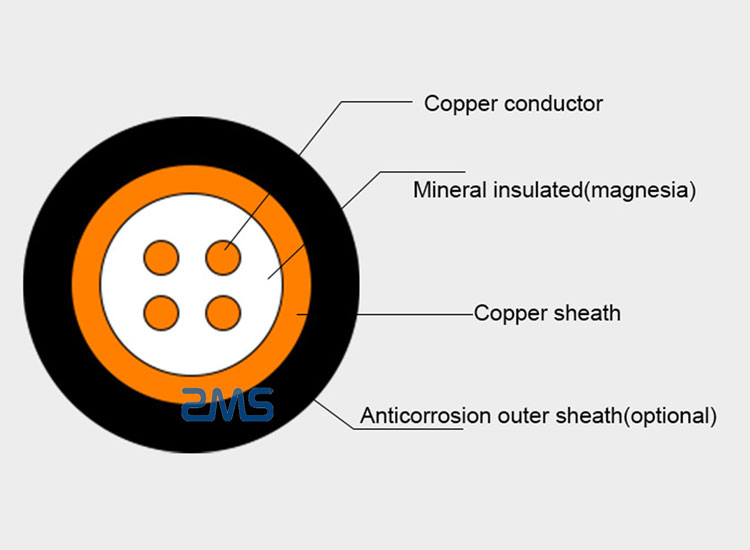
Structural plan of mineral insulated cables

Rigid MICC — BTTZ (Seamless Copper Sheath)

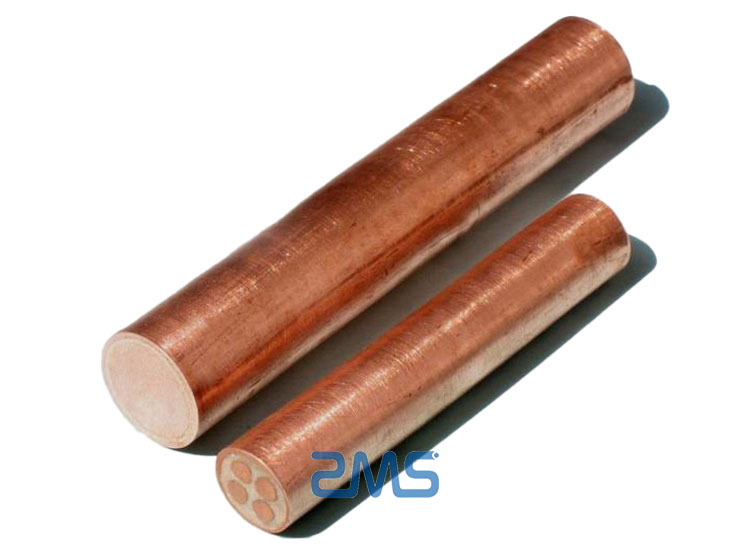
The original and highest-performing MI cable. Solid copper conductors, compacted MgO insulation, and a seamless copper tube sheath. The copper sheath itself serves as the earth conductor. Requires special bending tools and termination kits on site.
Conductor
Solid copper (Class 1)
Insulation
Compacted magnesium oxide (MgO)
Sheath
Seamless copper tube (also acts as earth)
Outer sheath
Optional PVC / LSZH anti-corrosion jacket
Voltage
500 V (control) / 750 V (power)
Cores
1, 2, 3, 4, 7, 12, 19
Cross-sections
1.5–400 mm² (power); 1.0–4.0 mm² (control)
Standard
IEC 60702, BS 6387 CWZ
flexible micc cable

Flexible MI — BTLY / YTTW (Corrugated Copper Sheath)

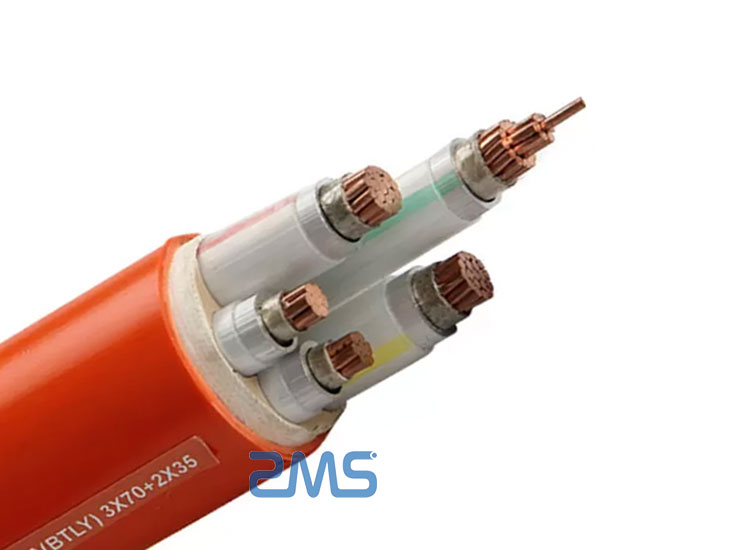
Stranded copper conductors with mica tape and MgO insulation, wrapped in corrugated copper tape instead of a seamless tube. More flexible and easier to install on site than rigid BTTZ. LSZH outer sheath (orange) is standard.
Conductor
Stranded copper (Class 5, flexible)
Insulation
Mica tape + MgO powder
Sheath
Corrugated copper tape, longitudinally welded
Outer sheath
LSZH, orange (standard fire circuit color)
Voltage
450/750 V
Use
Long runs where rigid BTTZ is too stiff
micc cable

Heavy-Duty Rigid MI — BTTQ / Stainless Steel Sheath (Optional)

For corrosive or high-temperature environments (chemical plants, offshore). Same MgO insulation but with stainless steel sheath instead of copper. Available on request.

Technical Specification

Typical Ampacity — Rigid MICC (750 V, 30 °C ambient, single core)
Cross-section (mm²)
Approx. OD (mm)
Ampacity in Free Air (A)
Ampacity in Ground (A)
1×1.5
11.0
44
35
1×2.5
11.4
59
46
1×6
12.7
96
75
1×10
13.6
134
100
1×16
14.7
170
130
1×25
16.4
230
170
1×35
17.6
279
210
Reference values per IEC 60702. Actual ampacity depends on installation method, grouping, and ambient temperature. For multi-core cables (2×2.5, 4×2.5 etc.), contact us for full datasheets.

MICC Cable Applications

Application Of Mineral Insulated Cables
MICC cable is specified where circuit integrity must be maintained during fire — not just “fire-resistant” (which may mean the cable itself doesn’t burn), but actively continues supplying power to life safety systems. Below are the main application sectors:
Fire Alarm & Emergency Lighting Circuits — The primary use of MICC. Fire alarm detectors, smoke control systems, emergency lighting, and fire pumps require power to continue through a fire event. MICC (BS 6387 CWZ) is the standard cable for these circuits in high-rise buildings, hotels, hospitals, and shopping malls.
Public Buildings & Transportation Hubs — High-rise buildings, hotels, hospitals, schools, airports, railway stations, and metro systems where life safety codes mandate fire-rated wiring.
High-Temperature Industrial Areas — Steel mills, glass plants, coke ovens, and foundries where ambient temperatures exceed what organic-insulated cables can withstand. MICC operates continuously at 250 °C and survives short-term exposure to molten metal splash.
Hazardous Areas (Explosion-Proof) — Petrochemical plants, oil refineries, offshore platforms, and mining. The seamless copper sheath and compacted MgO prevent flammable gases from reaching connected equipment — intrinsically safe and explosion-proof by design.
Tunnels & Underground Infrastructure — Road and rail tunnels, underground metro stations, and subterranean public spaces where fire spread is the dominant risk and emergency power must survive.
We have supplied MICC cable for fire alarm and emergency lighting projects in UAE, Nigeria, Thailand, and the Middle East. Contact us with your project specifications for a tailored solution.

Advantages of MICC Cable

Advantages of ZMS MICC Cable
1. Circuit Integrity in Fire — All components are inorganic (copper + MgO). Under BS 6387 CWZ, the cable maintains circuit integrity at 950 °C for 3 hours, plus water spray and mechanical shock. Organic fire-rated cables only meet lower temperatures (750 °C / 2 hours).
2. Higher Ampacity — For the same cross-section, MICC carries up to 1.5× the current of organic-insulated cables, because copper and MgO conduct heat far better than plastic and XLPE.
3. Moisture-Proof by Design — The seamless copper tube hermetically seals the MgO insulation. Water cannot enter, so the cable cannot suffer from insulation breakdown due to moisture — a common failure mode for organic fire cables.
4. Explosion-Proof — The compacted MgO and sealed copper sheath prevent flammable gases, oil vapors, or external flames from reaching live conductors. Suitable for Zone 1/2 hazardous areas without additional conduit.
5. Long Service Life (50+ Years) — MgO insulation does not age, crack, or degrade like organic polymers. With proper termination, MICC has a design life of 50+ years — far longer than PVC/XLPE cables (typically 25–30 years).
6. Mechanical Strength — The copper sheath provides armor against impact and crushing. Minimum bending radius is 6× O.D. (rigid) or 12× O.D. (flexible), but the cable withstands physical abuse better than organic cables of similar size.
7. Zero Smoke, Zero Halogen — No organic insulation means no toxic smoke, no acidic gases, no flaming droplets in a fire. The cable does not burn or self-ignite at any temperature below the copper melting point.
Note: For direct burial or concrete installation, specify PVC or LSZH outer sheath — bare copper sheath will corrode over time in soil or wet concrete.

MICC Cable Termination Kits & Accessories
Accessories For MICC Cable

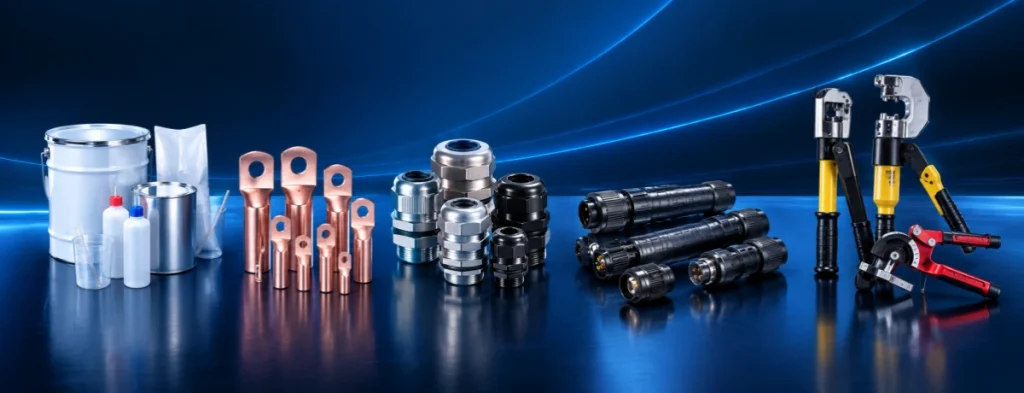
MICC cable accessories include mineral insulated cable tools, MICC cable glands, terminal blocks, grounding lugs, intermediate connector accessories, etc.

Correct termination is critical for MICC: the compacted MgO insulation is hygroscopic, and a poorly sealed joint allows moisture to enter, causing insulation breakdown. We supply complete termination kits matched to each cable size, including:
  • Sealing compound (epoxy resin) — seals the MgO end against moisture; the most critical component
  • MICC cable lugs — copper tube lugs with stainless steel shroud (for copper-sheathed cable)
  • Termination glands — brass or stainless steel, with EPDM seal
  • Intermediate connectors — inline joints for joining two MICC cable ends
  • Bending tools & hydraulic crimpers — for on-site installation of rigid BTTZ
All kits are tested to ensure the fire rating (BS 6387 CWZ) is maintained through the termination. Contact us for a kit list matched to your cable size and project.

FAQ

What is MICC Cable?

MICC Cable (Mineral Insulated Copper Clad Cable) is a high-performance fire-resistant cable consisting of copper conductors, magnesium oxide mineral insulation, and a seamless copper sheath. Unlike conventional insulated cables, MICC cables can maintain circuit integrity under extreme heat and fire conditions. They are widely used in fire protection systems, emergency lighting, power supply systems, industrial plants, and other projects requiring high safety standards.

What are the advantages of MICC cables?
 
MICC cables offer excellent fire resistance, high temperature performance, and long-term reliability. With magnesium oxide (MgO) mineral insulation and a copper sheath, they can maintain circuit integrity during fire conditions and withstand extreme temperatures. MICC cables also provide high mechanical strength, corrosion resistance, moisture resistance, and a long service life, making them ideal for critical applications such as fire alarm systems, emergency lighting, power distribution, tunnels, hospitals, and high-rise buildings.
 
How long does a MICC cable last?
 
MICC cables have a very long service life and can typically last more than 50 years when properly installed and maintained. Thanks to their mineral insulation and copper sheath, MICC cables are highly resistant to fire, moisture, corrosion, and aging. Their excellent durability makes them suitable for long-term applications in critical facilities such as hospitals, airports, tunnels, high-rise buildings, and industrial projects.
 
Is MICC Cable fire resistant?
 
Yes, MICC Cable is one of the most fire-resistant cable types available. Its magnesium oxide (MgO) mineral insulation and copper sheath allow it to maintain electrical circuit integrity under extreme heat and fire conditions. MICC cables can continue supplying power to critical systems such as fire alarms, emergency lighting, smoke control systems, and emergency power equipment during a fire, making them ideal for safety-critical applications.

ZMS Cable Service

Wide Cable Product Range
As a professional cable manufacturer and exporter, ZMS supplies a complete range of power cables, control cables, instrument cables, and conductors for global industrial projects.

International Standards & Custom Production
Products are manufactured according to IEC, BS, ASTM, DIN, GB, and other standards, with custom cable design available based on technical requirements.

Professional Technical Support
Free pre-sales consultation, product selection guidance, and one-to-one project solution support for different application environments.

Reliable Delivery Solutions
Optimized packaging and shipping plans to ensure safe delivery while helping reduce transportation risks and costs.

Export Packaging Protection
Wooden drums, cartons, or coils packaging with moisture-proof sealed cable ends and waterproof markings for international transport.