In overhead transmission lines, conductors not only bear the task of transmitting electrical energy but must also withstand the corrosion of complex environments over long periods. Especially in areas with high temperatures and dryness in the Middle East, high salt spray along the coast, and heavy industrial pollution, the corrosion resistance of long-distance overhead conductors directly determines the safety and service life of the line.
While traditional ACSR conductors possess good conductivity and mechanical strength, their steel core relies excessively on the protection of the galvanized layer, making them prone to corrosion in long-term salt spray and humid environments, thus affecting overall operational stability. Therefore, ACSR/AW conductors with aluminum-clad steel cores are gradually becoming an important choice for power transmission projects in highly corrosive environments.
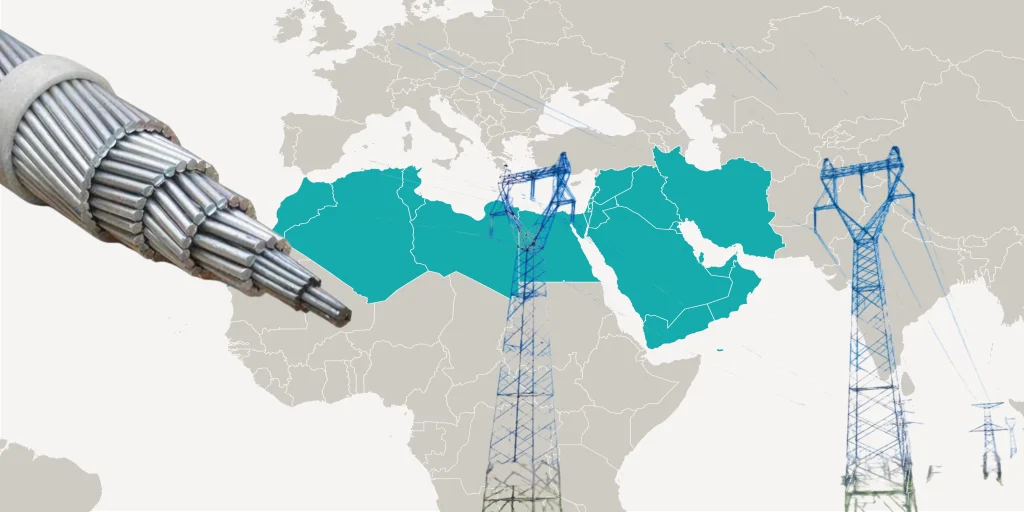
What is the function of the aluminum cladding in ACSR/AW conductors?
The core improvement of the new ACSR/AW conductor lies in replacing the traditional galvanized steel core with “aluminum-clad steel wire.” It’s not simply a surface aluminum coating, but a metal cladding structure—a layer of high-purity aluminum is metallurgically coated onto the outside of the steel core.
Typically, the aluminum cladding coverage is no less than 10% of the steel core’s cross-sectional area, giving it stable and continuous protective capabilities.
Form a Long-Term Physical Barrier
The aluminum layer directly isolates the steel core from the external environment, blocking the contact path of moisture, oxygen, and corrosive ions, fundamentally reducing the risk of corrosion of the steel core.
Natural Oxide Protection of Aluminum
Aluminum rapidly forms a dense aluminum oxide film in the air. This film has extremely high stability and can continuously prevent further oxidation, thus providing a “self-protection mechanism” for the steel core.

Improve Overall Resistance to Electrochemical Corrosion
In salt spray or humid environments, electrochemical corrosion is a major cause of steel core failure. Aluminum cladding can effectively reduce the probability of electrochemical reactions and slow down the corrosion rate.
Maintain Long-Term Stability of Conductor Mechanical Properties
Once the steel core corrodes, it leads to a decrease in strength and an increased risk of strand breakage. The presence of an aluminum cladding helps the steel core maintain more stable mechanical properties during long-term service.
Why are ACSR/AW conductors particularly suitable for use in the Middle East?
The Middle East, including countries such as Saudi Arabia, the UAE, Qatar, Oman, and Kuwait, has a typical complex environment characterized by high temperature, high salinity, strong ultraviolet radiation, and dust storms, which pose a significant challenge to power transmission lines.
High-Temperature Environments Accelerate Material Aging
The surface temperature can exceed 50°C for a long time, and the conductor is under thermal stress for a long time, which accelerates material fatigue and coating aging.
Salt Corrosion at the Junction of Desert and Coast
Many power transmission lines traverse both desert and coastal areas, where the air contains salt and industrial particles, making them highly susceptible to corrosive deposits.
High Maintenance Costs and Large Line Spans
Transmission lines in the Middle East often span long distances and traverse complex terrains, making maintenance extremely costly and difficult once corrosion occurs.
In this context, the advantages of ACSR/AW conductors become very clear: their aluminum-clad steel core structure enhances corrosion resistance from the outset, reducing the need for long-term maintenance.
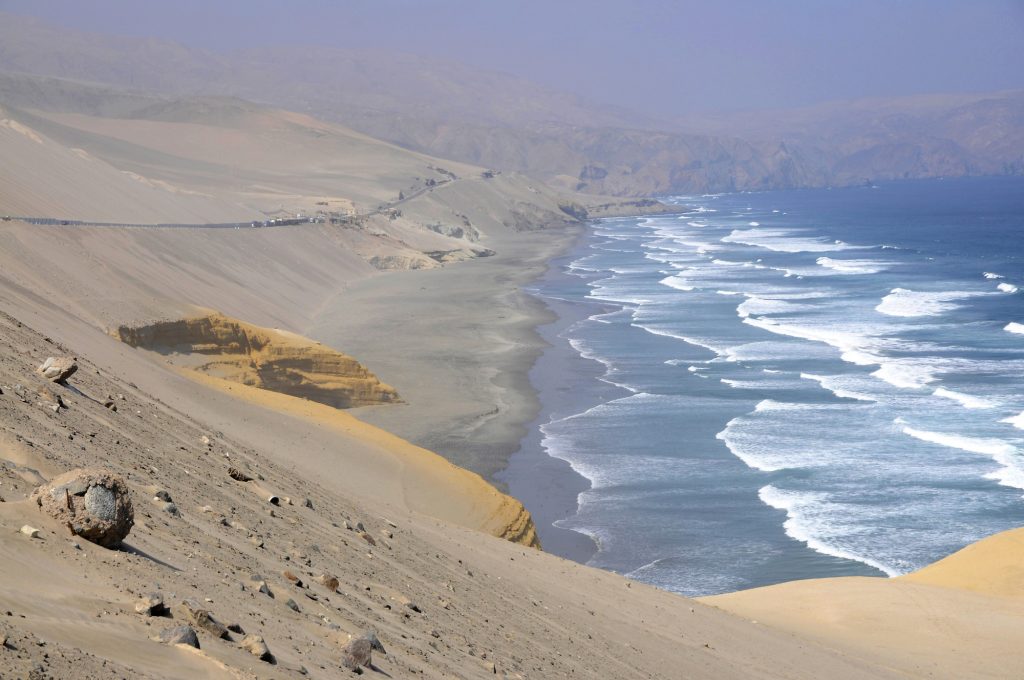
Why do coastal areas need aluminum cladding structures more?
The core problem in coastal areas is not high temperatures, but “persistent salt spray corrosion.”
Chloride ions carried by sea breezes continuously adhere to the conductor surface, forming an electrolyte film in humid environments, thus accelerating steel core corrosion.
Common effects include:
a. Gradual failure of the galvanized layer
b. Pitting and rusting of the steel core
c. Decreased tensile strength of the conductor
d. Shortened service life
e. Increased maintenance frequency
Especially in:
a. Port power grids in the Gulf region
b. Island power transmission projects
c. Coastal industrial parks
d. Offshore wind power grid-connected systems
e. Projects along the Red Sea and Persian Gulf
These environments place much higher demands on the corrosion resistance of conductors than in ordinary inland areas. ACSR/AW conductors, with their aluminum cladding structure, can effectively delay the penetration of salt spray into the steel core, thereby significantly improving the overall lifespan of the line.
More durable and more economical
From a life-cycle perspective, ACSR/AW conductors are not only more durable but also more economical.
Many customers initially focus on the material costs of ACSR/AW conductors, but from the long-term operational perspective of power transmission projects, the real costs lie in maintenance and outage losses.
Compared to traditional ACSR, ACSR/AW can significantly reduce:
a. the frequency of line replacement due to corrosion
b. the costs of regular maintenance and anti-corrosion treatment
c. losses from unplanned outages
d. the difficulty of operation and maintenance in high-risk environments
| Project | Traditional ACSR | ACSR/AW |
| steel core | Galvanized steel core | Aluminum-clad steel core |
| Corrosion resistance | ordinary | stronger |
| Salt spray resistance | general | Excellent |
| Service life | ordinary | Longer |
| Maintenance costs | higher | lower |
| Applicable regions | ordinary areas | Middle East and coastal areas |
Especially for State Grid or large-scale EPC projects with an operating cycle of 20–30 years, the overall economic performance of ACSR/AW is often superior.
Typical application scenarios of ACSR/AW conductors
Due to their excellent corrosion resistance, ACSR/AW conductors are mainly used in the following environments:
a. Transmission lines in hot and arid regions of the Middle East
b. Coastal city power grid upgrade projects
c. Port and marine engineering power supply systems
d. Offshore wind power grid-connected transmission lines
e. Petrochemical industrial areas
f. Power grids in hot and humid tropical regions
g. Independent power grid systems on islands
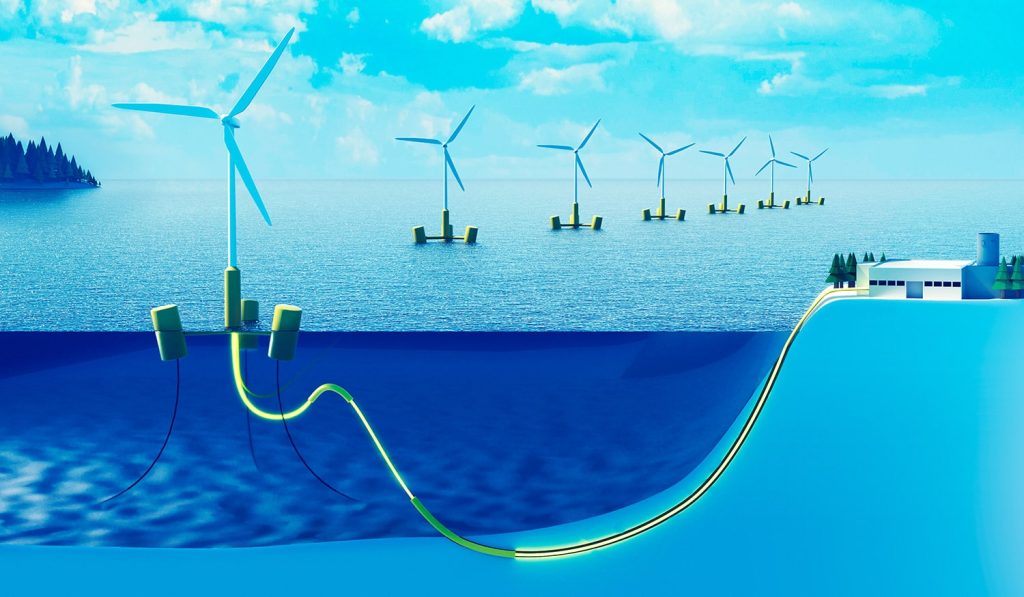
These scenarios share a common characteristic: highly corrosive environments and extremely high repair costs if the lines fail.
ZMS ACSR/AW Conductor Product Advantages
ZMS Cable offers ACSR/AW conductor solutions specifically designed for highly corrosive environments, meeting the reliability and durability requirements of power transmission projects worldwide.
Product features include:
a. Aluminum-clad steel core structure
b. Aluminum cladding coverage ≥10%
c. Compliant with IEC 61089 and ASTM B232 standards
d. Complete corrosion resistance test reports available
e. Size range: 50/8mm² to 630/45mm²
f. Delivery time: To be determined based on customer requirements
This product is widely used in power transmission projects in the Middle East, coastal areas, and highly corrosive environments, and is particularly suitable for power grid projects with high requirements for long-term operational stability.
In modern power transmission systems, conductors are no longer merely conductive materials, but crucial infrastructure components determining grid reliability.
ACSR/AW conductors, with their aluminum-clad steel core structure, effectively solve the corrosion problems of traditional steel-core conductors in salt spray, humid heat, and industrial pollution environments, giving them greater adaptability and economic value in the Middle East and coastal regions.
As global power infrastructure expands towards coastal and extreme environments, ACSR/AW conductors are becoming an important development direction for high-reliability transmission lines.